

Increase your visibility & opportunities.
We bring your strategy, website and marketing together around a clear plan, with an experienced team to deliver the work and keep improving performance.
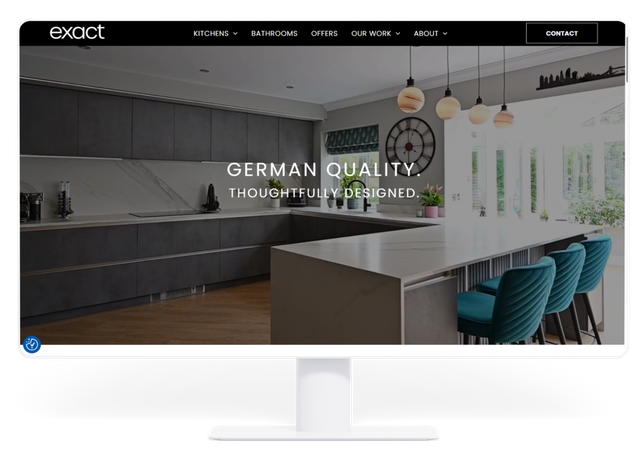
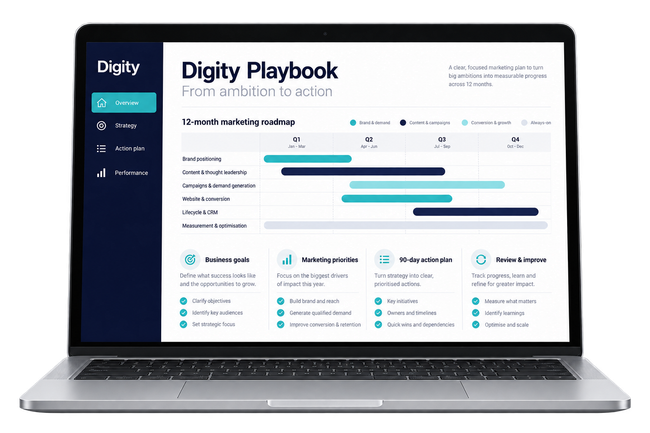
Your ambition requires a joined-up approach
From websites and advertising to social media, email and print, we create marketing that makes businesses look their best and gives people a reason to take notice.
Need a new website? A campaign launched? An exhibition to look the business? A brochure for next week's meeting? Or a marketing team that can keep everything moving month after month?
Whatever you need, let's talk.
The expertise to turn direction into progress.
From everyday marketing to the things you only need occasionally, our team is here when you need us. Choose a service, combine a few, or bring us in to manage everything.
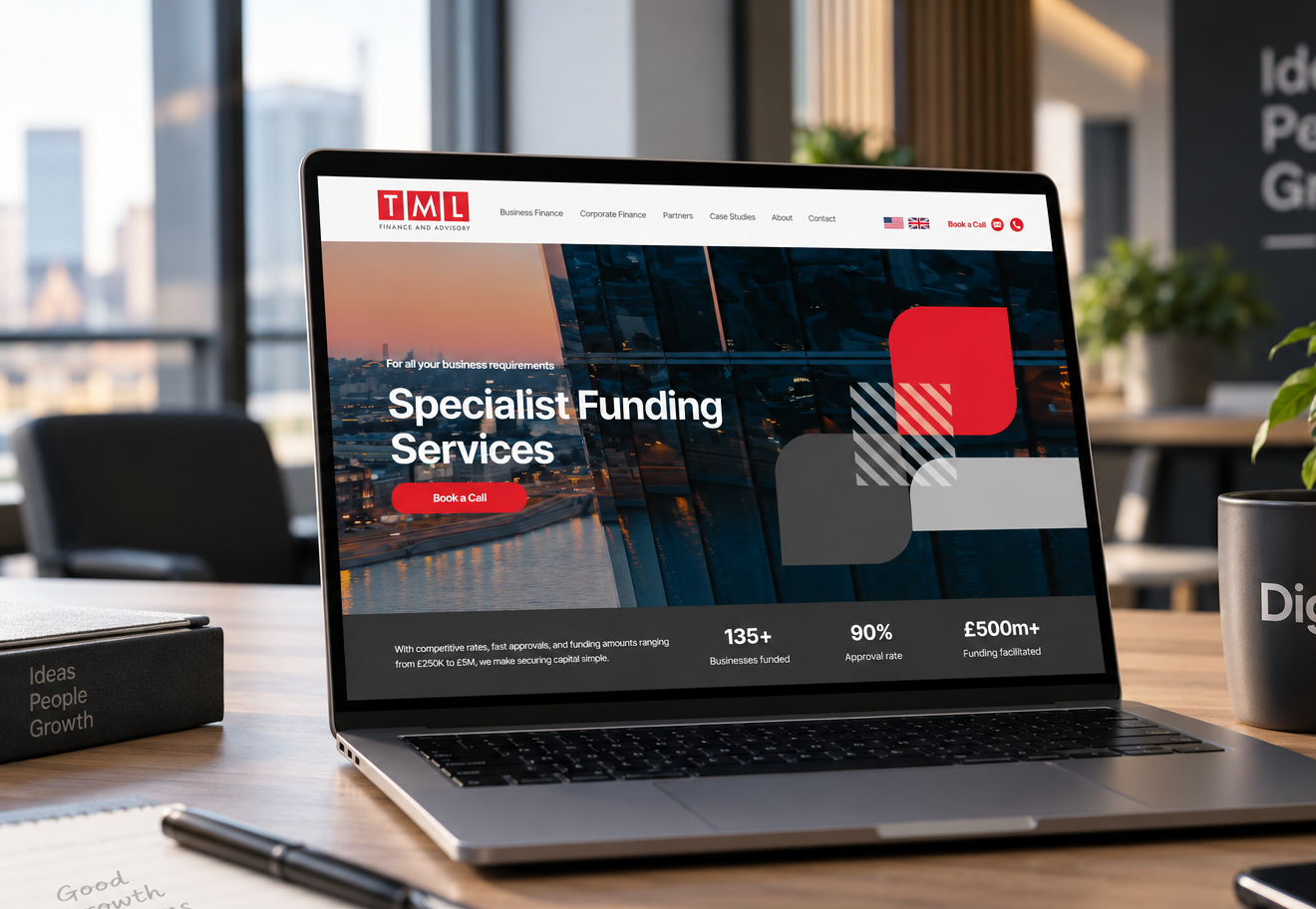
Websites & Conversion
Make a stronger first impression.

SEO & AI Visibility
Be there when they're looking.



⬤ HOW WE WORK
Deliberately collaborative.
You know your business. We bring the strategic thinking, creative expertise and people to help it move forward. Together, we agree the priorities, take responsibility for delivery and keep you informed with clear recommendations and regular reviews.
01 Understand
We get to know your business, customers and ambitions. We assess your current marketing, ask questions and identify where we can make the greatest difference, building a clear picture before recommending the way forward.
02 Agree the plan
We turn that understanding into a practical plan, with clear priorities, responsibilities and measures of success. You know what we recommend, why it matters and what we’ll deliver.
03 Deliver
Our team brings the plan to life across your website, content and campaigns. We coordinate the activity, keep you updated and stay available to discuss progress, answer questions and recommend next steps.
04 Review and improve
We analyse performance and share what we’re learning. Monthly reviews guide smaller improvements, while quarterly reviews assess the bigger direction. When circumstances change, we work with you to adjust the approach and keep your marketing aligned with the business.
SECTORS WE KNOW
Real experience across key sectors


DON'T JUST TAKE OUR WORD FOR IT
Good Relationships, Better Results
WHAT DO YOU WANT TO ACHIEVE?
Let's review the options.
Tell us where you want to take the business and we'll help you identify where marketing can make the biggest difference.